
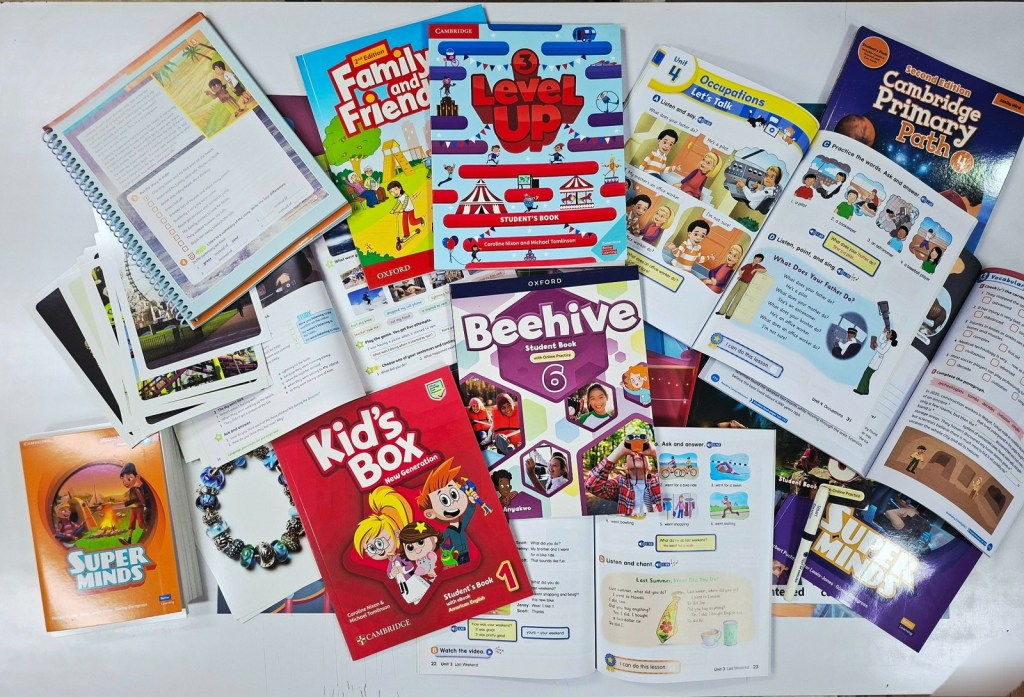
Choosing the right English primary school books is one of the most important decisions you’ll make as an educator, curriculum leader, or parent.
Instead of simply downloading PDFs or picking popular series, great book selection supports your students’ progress, confidence, engagement, and long-term success.
In today’s classrooms — where digital tools, videos, real-life content, and level progression matter — choosing wisely makes learning smoother, clearer, and more effective.
1. A Single, Consistent Teaching Approach
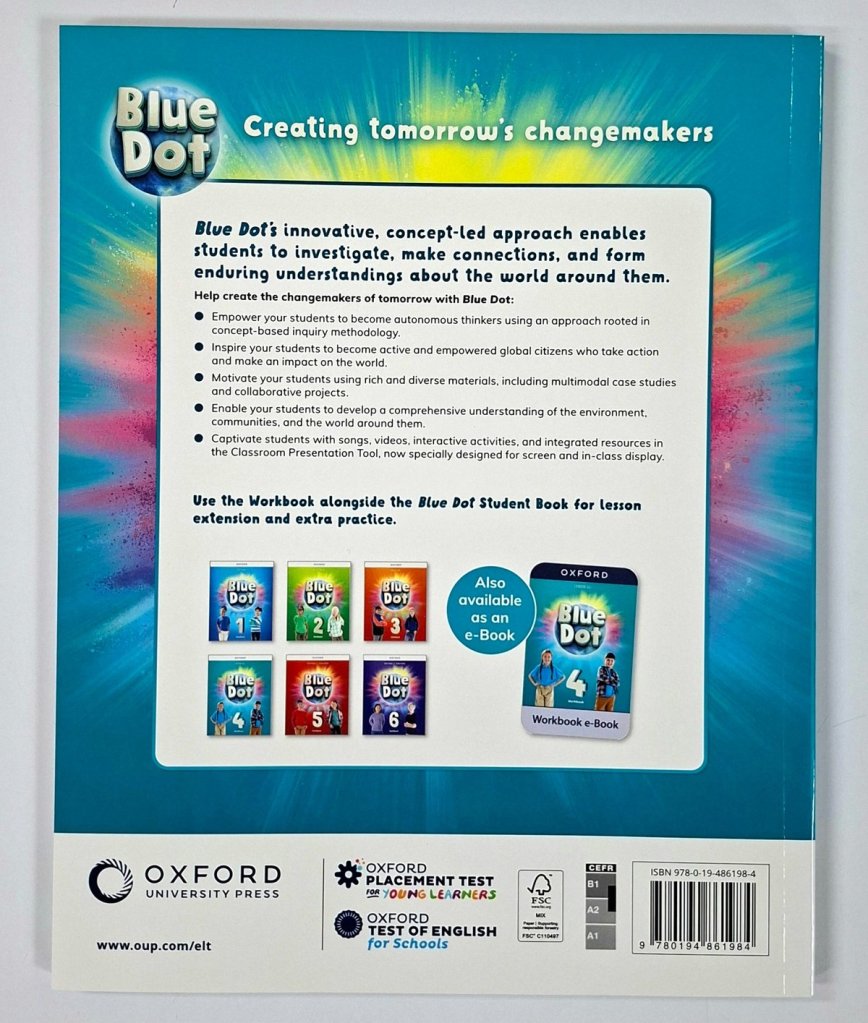
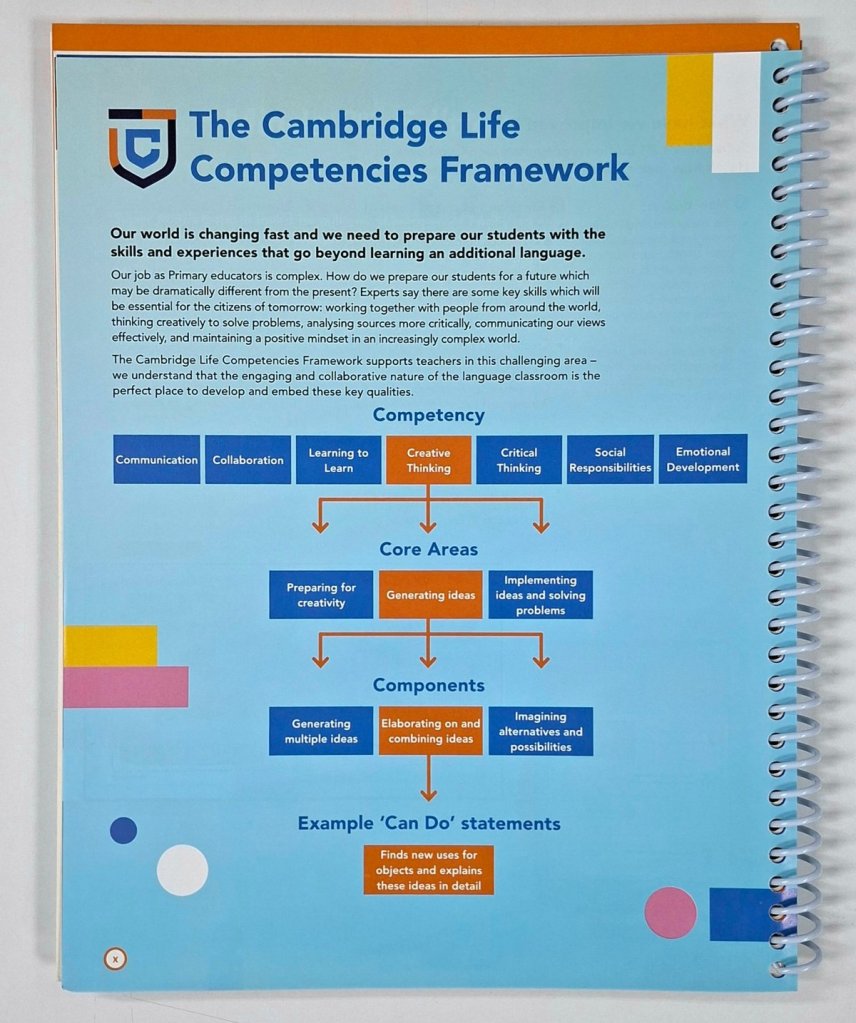
A strong ELT series must follow one clear methodology from the first level to the last.
If a course begins with a communicative approach, all levels should keep that focus. This prevents confusion and helps students build skill steadily.
Why this matters:
Consistency supports clarity. Learners know what to expect, and you can plan lessons that build naturally over time.
2. Gradual and Logical Progression
Your books should move learners from simple language to more complex forms in clear steps.
For example, beginners might start with basic present tense, then progress to past tense, and later conditionals.
Why this matters:
Gradual progression means students feel success at every stage — not frustration.
3. Strong Link Between Levels
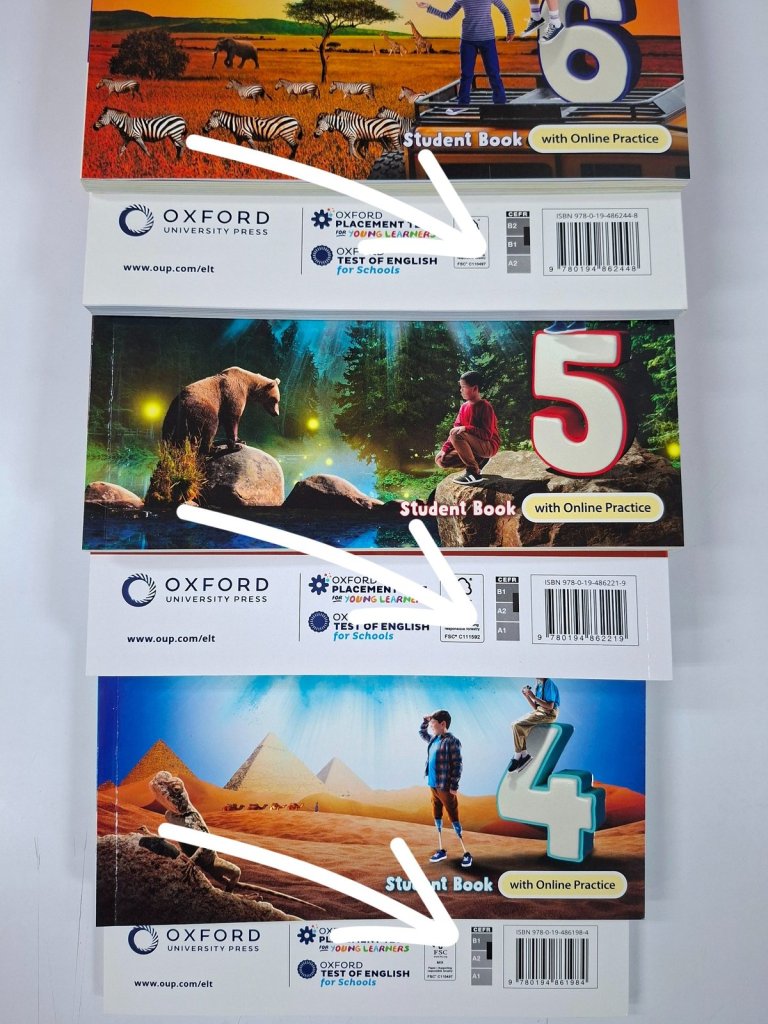
Each book must connect to the one before and prepare students for the next.
A well-designed sequence prevents regression and makes learning feel continuous.
This helps you:
Students don’t “start over” each year — they grow from where they left off.
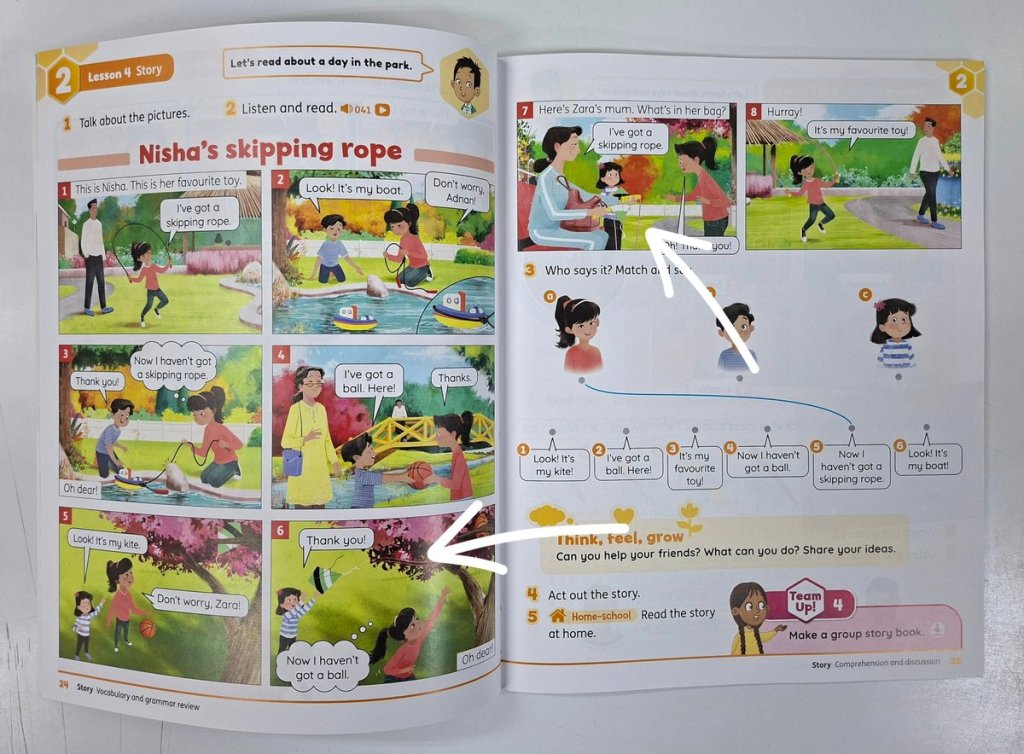
4. Age-Appropriate Design for Primary Learners
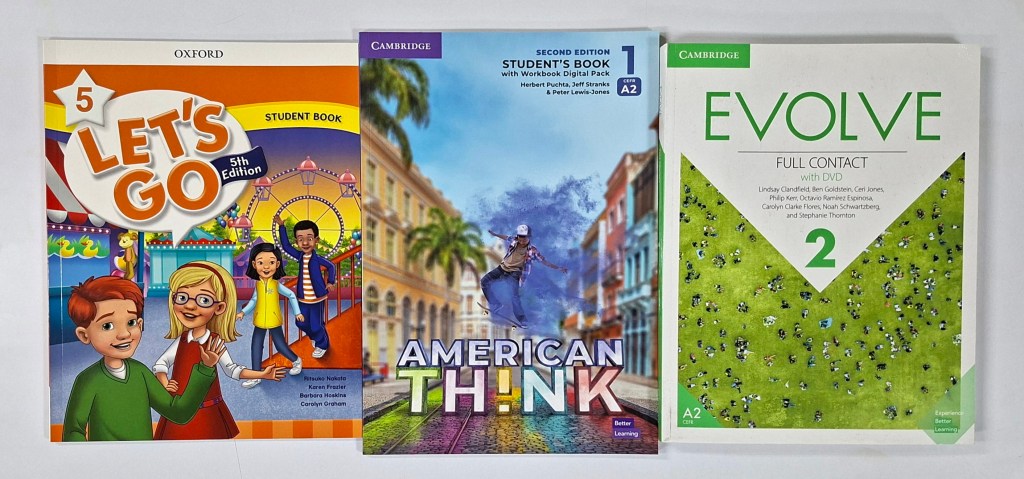
Primary students need content tailored to their interests, language skills, and attention levels.
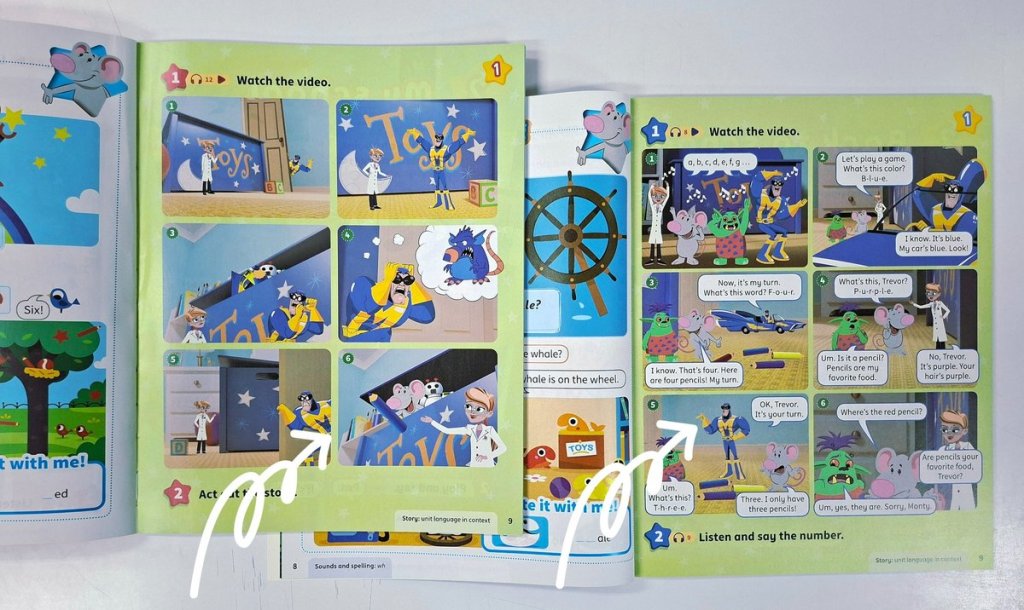
Cartoons, simple stories, and friendly themes work better for young learners than content designed for teens.
Your benefit:
Engagement stays high, and learners remain motivated without feeling overwhelmed.
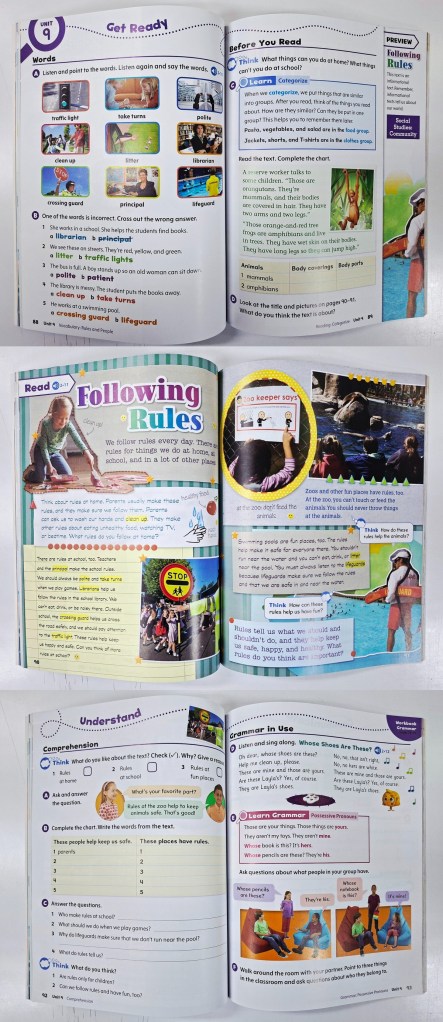
5. Balanced Focus on the Four Skills
A strong series teaches:
- Listening
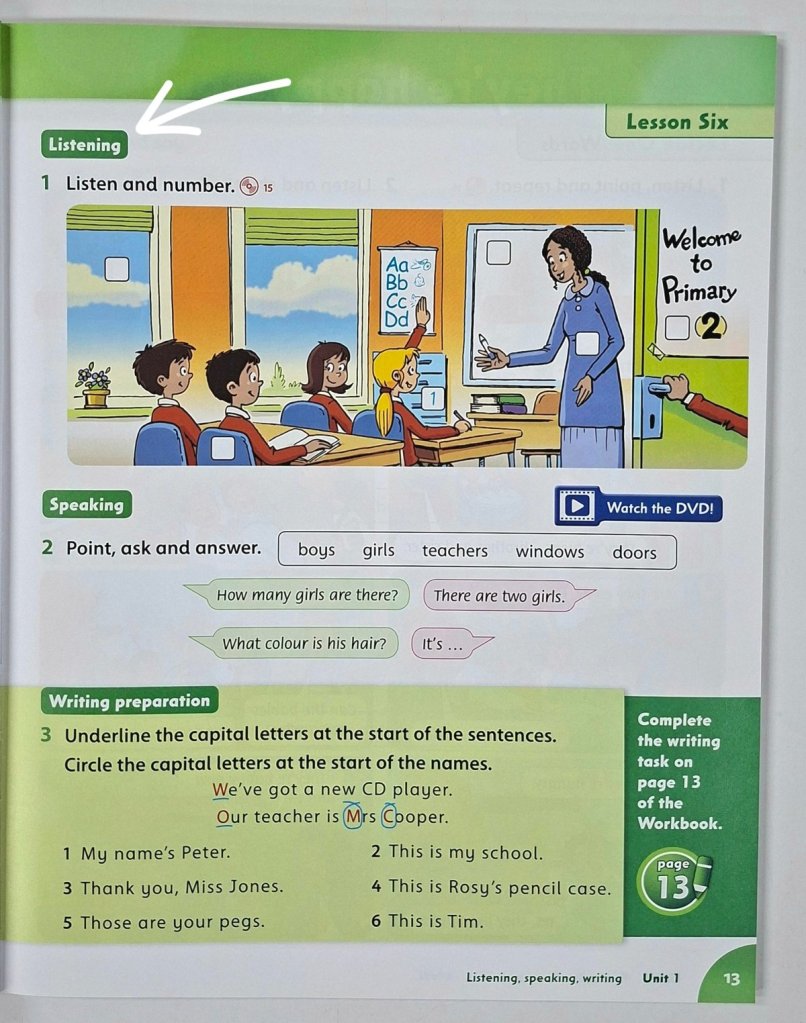
- Speaking
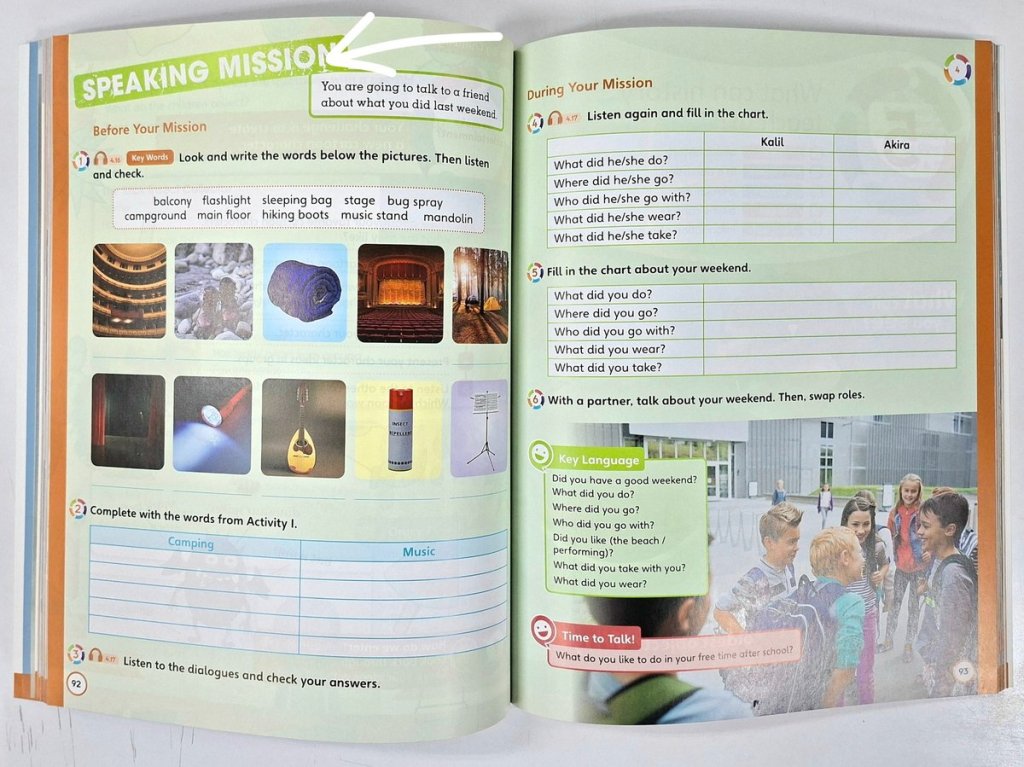
- Reading
- Writing
Each skill must appear naturally in lessons so students develop real language use, not just recognition.
6. Natural Input and Output Cycles
Good books introduce language (listening and reading) before requiring production (speaking and writing).
This mirrors how children naturally learn language.
Why this matters:
Understanding comes before use — which builds confidence and ability.
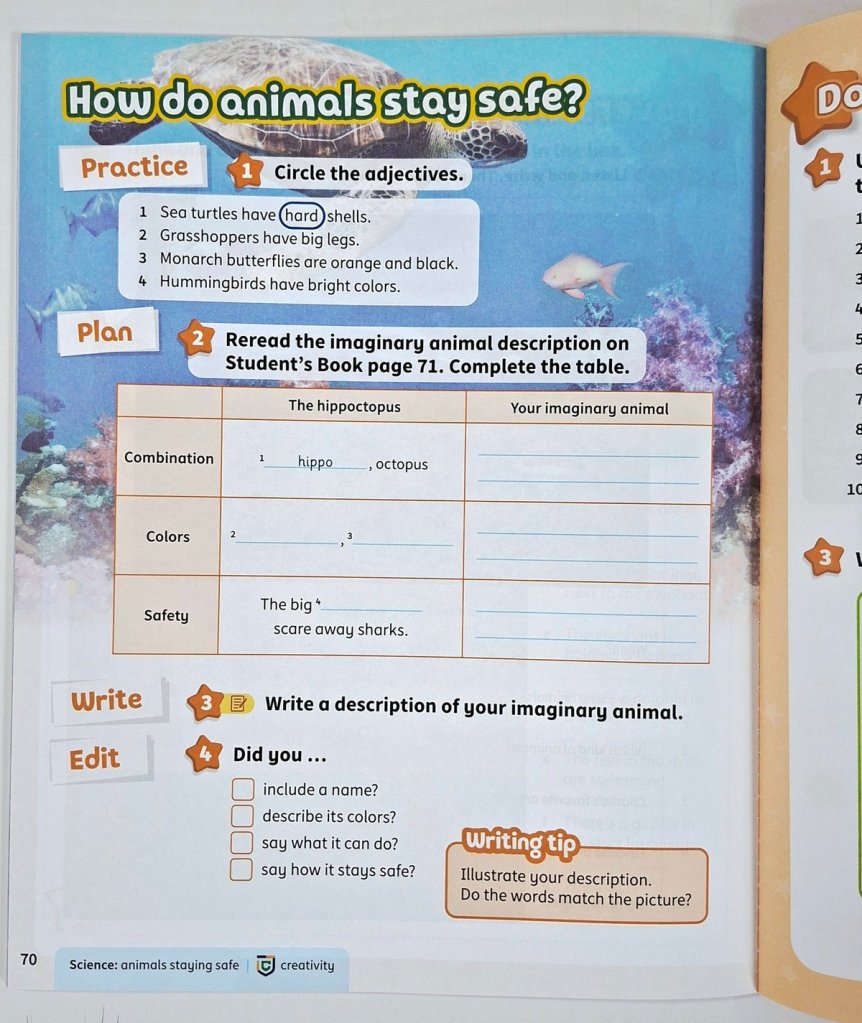
7. Plenty of Practice Activities
Look for books that include exercises such as:
- Gap fills
- Matching
- Sentence creation
- Guided writing
Why it’s important:
Practice reinforces learning and supports memory retention. It also gives you ready-made activities to use in class.
8. Fun and Motivating Activities
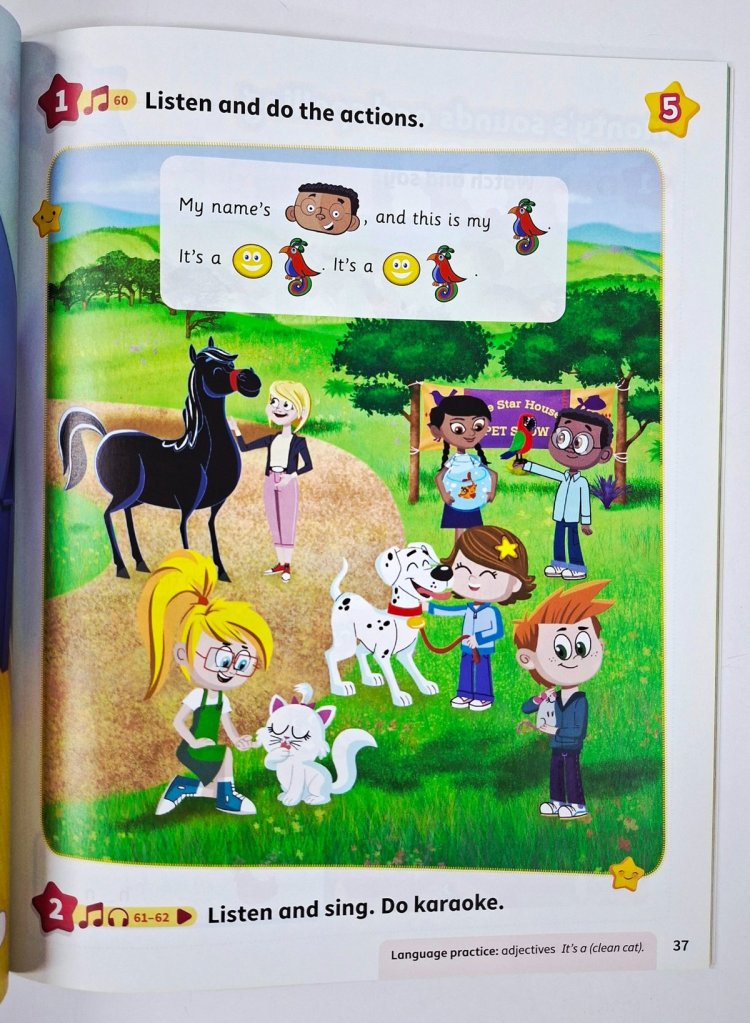
Games, role-plays, songs, and projects should be part of the curriculum.
Why this matters:
Fun activities keep students engaged and motivated, especially in early grades.
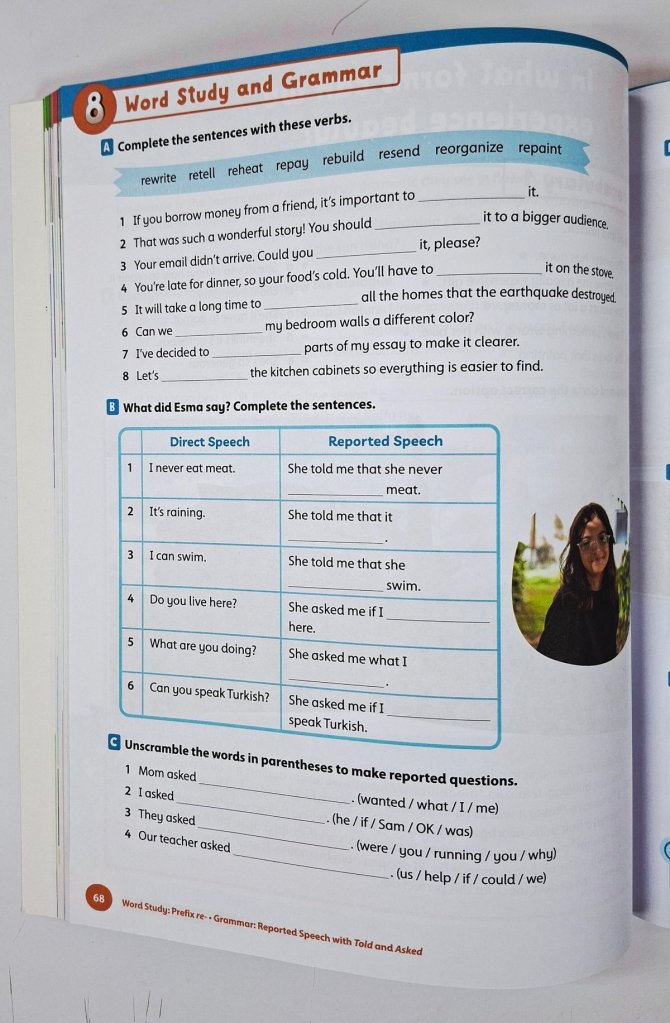
9. Clear and Simple Grammar Guidance
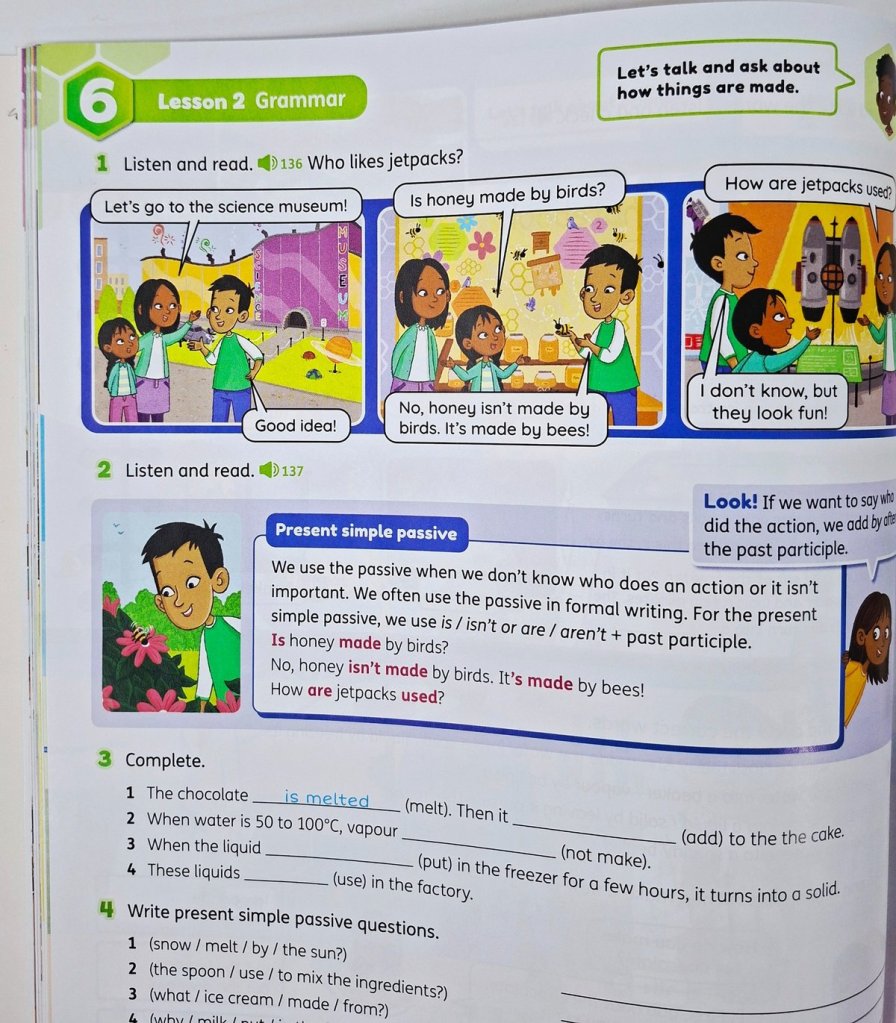
Grammar should be explained in kid-friendly language with plenty of examples.
This helps learners:
They build correct structures naturally, not through memorization only.
10. Vocabulary Taught in Meaningful Themes
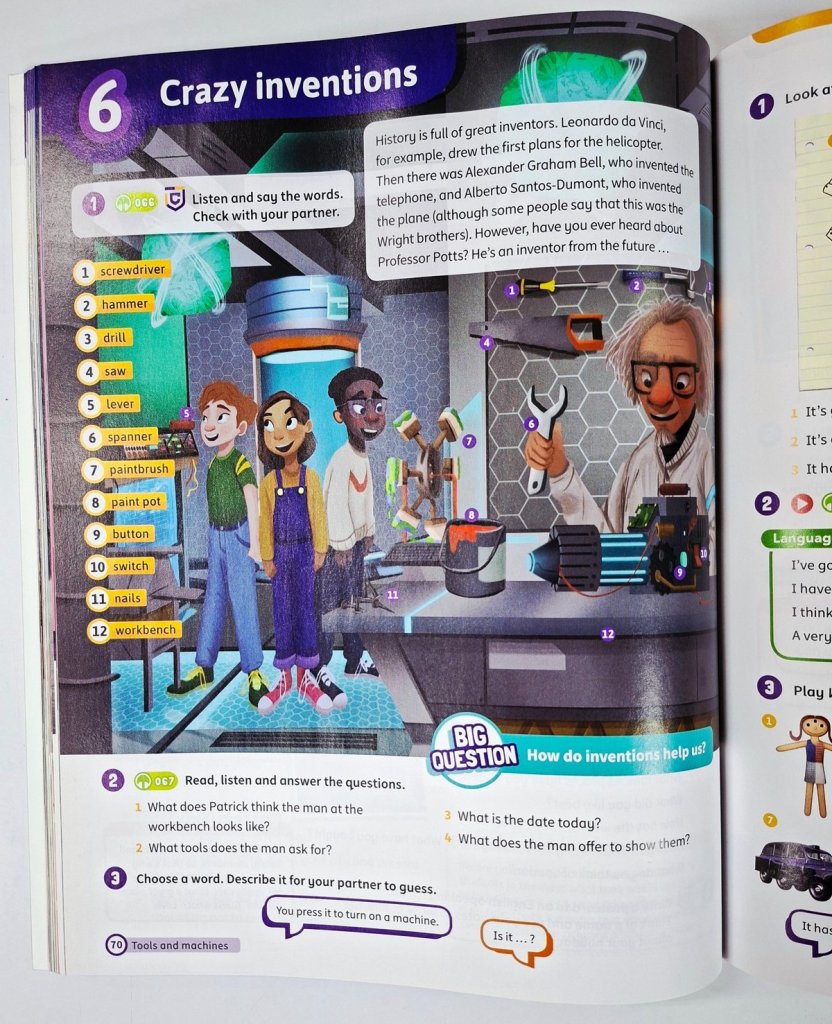
Vocabulary should be grouped by topic (e.g., school, colors, animals, daily routines).
Your advantage:
Words become tools students can use immediately in and out of class.
11. Grammar and Vocabulary in Real Context
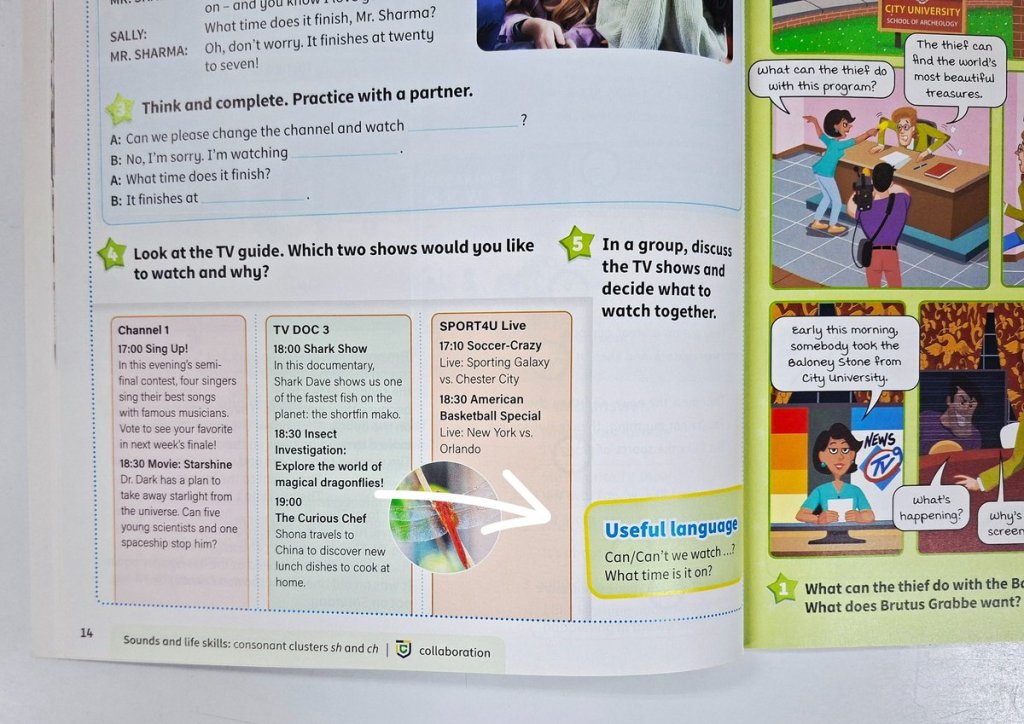
Words and structures learn best when shown in real situations.
For example: writing a short diary entry to use past tense grammar.
This helps students:
It shifts learning from memorizing lists to using language practically.
12. Phonics and Pronunciation Support
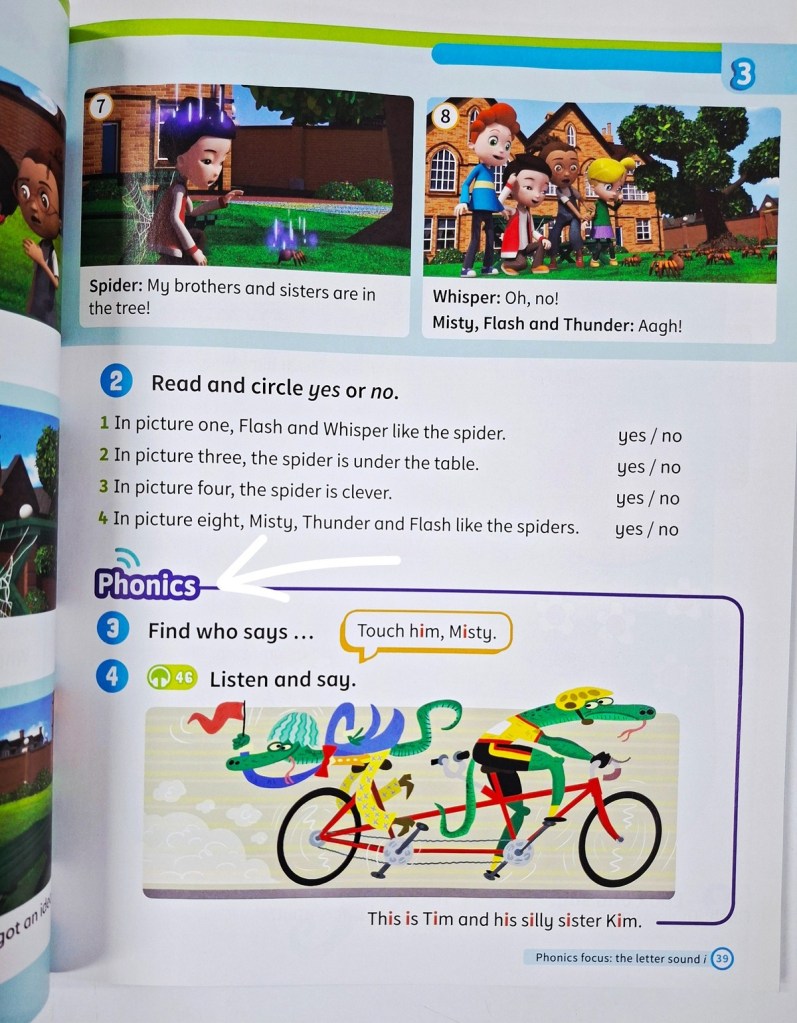
For younger primary learners, phonics builds early reading skills. For older primary learners, pronunciation practice helps with fluency.
Teachers benefit:
Clear sound teaching means students are easier to understand and more confident.
13. Cultural Awareness and Respectful Content
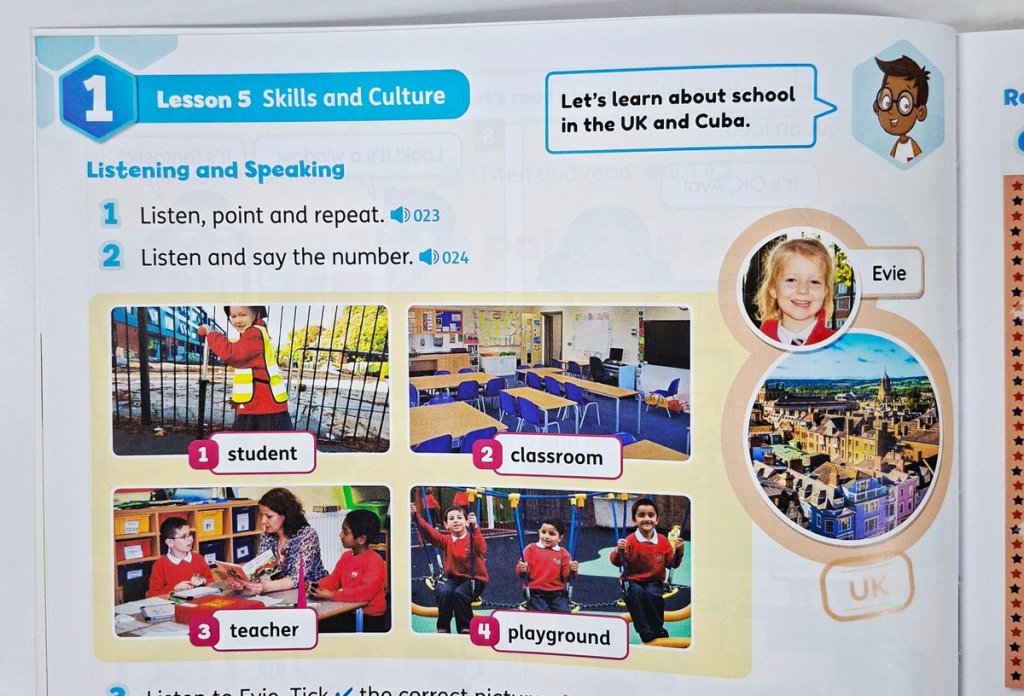
Great primary books show diverse cultures and contexts. They help learners feel connected, respected, and globally aware.
Why it matters:
English is a global language — learning materials should reflect that.
14. Strong Teacher Support Materials
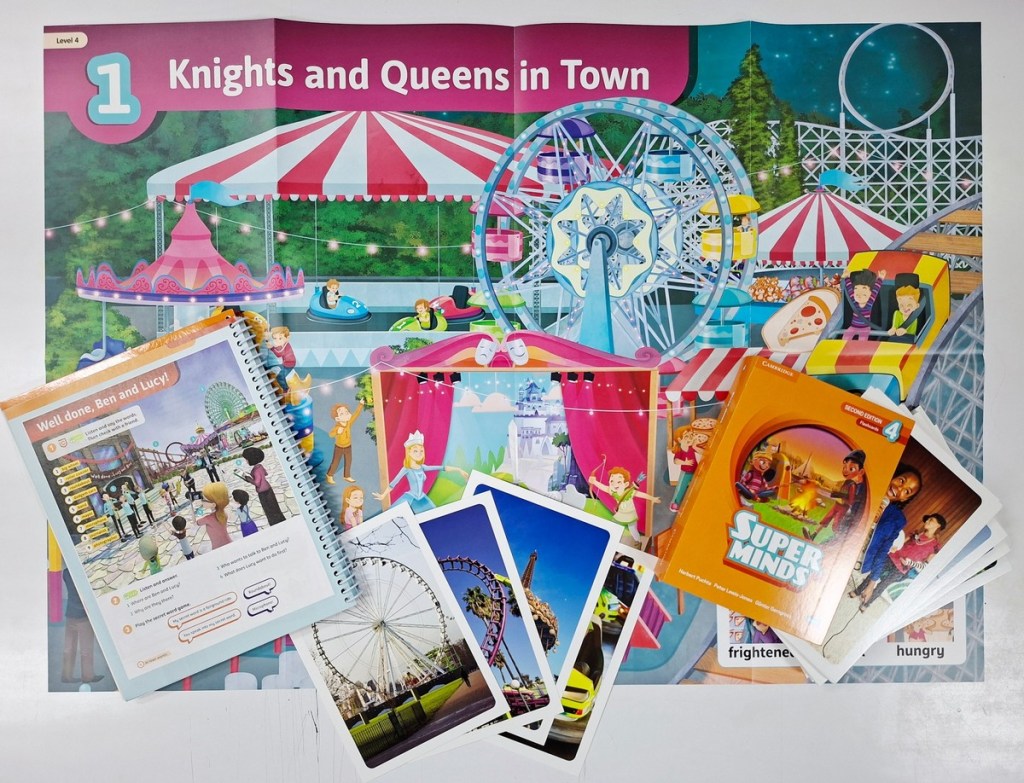
Books should include:
- Teacher guides
- Lesson plans
- Worksheets
- Assessment tools
- Digital resources (audio, video, and interactive tasks)
For you:
You gain time and confidence in planning lessons, while students benefit from well-structured activities.
15. Visual Appeal and Design
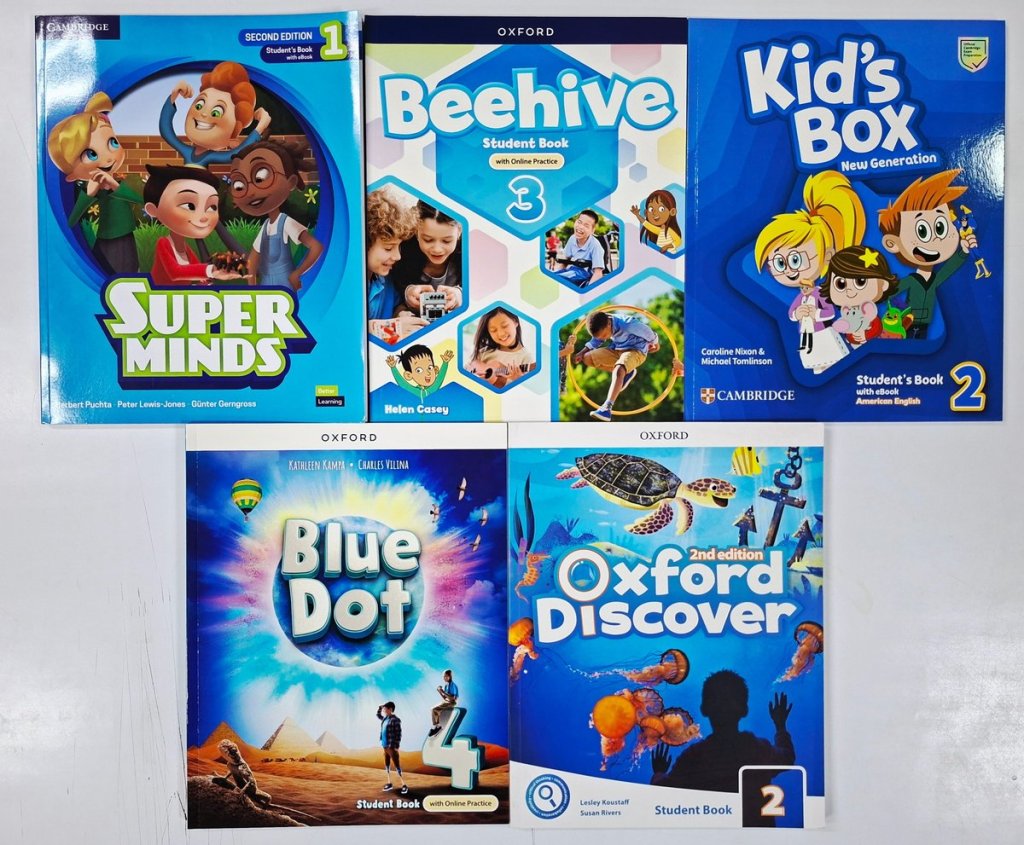
Since primary learners are visual, books must include:
- Colorful pages
- Clear charts and pictures
- Layouts that guide attention
This reduces cognitive load and keeps learning fun.
16. Assessment and Review Sections
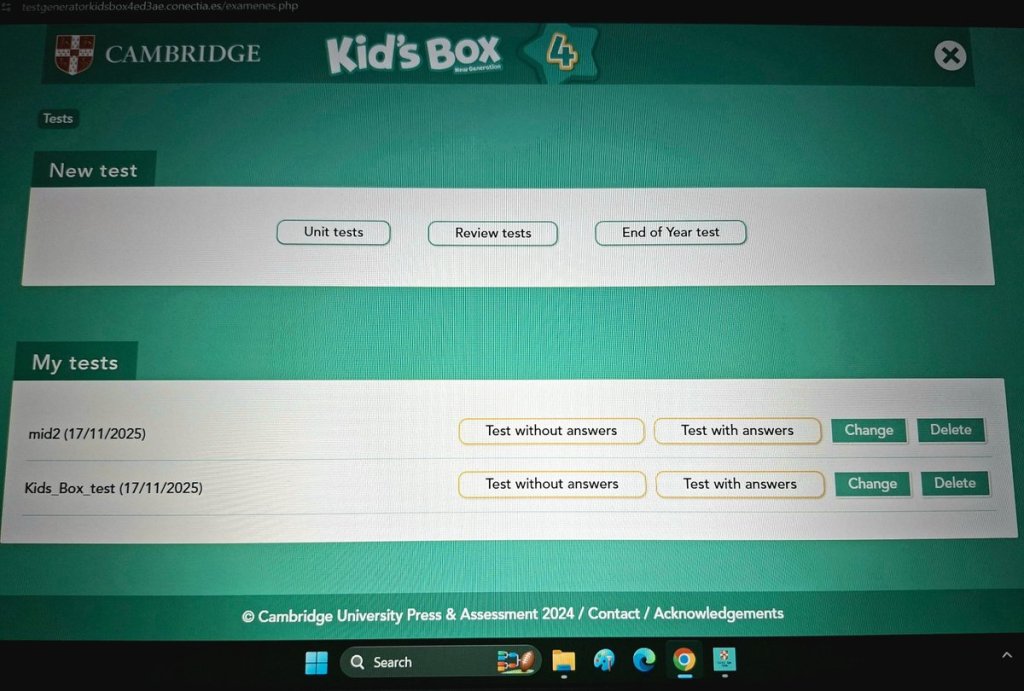
Assessment helps you and your students:
- Track progress
- Identify gaps
- Celebrate achievements
Review sections reinforce learning at key points.
Why This Matters for Your School or Classroom
Too often, schools choose books based on price, trend, or availability — not quality or fit. The right ELT materials support:
- Language development
- Student motivation
- Classroom management
- Meaningful learning
Because primary education lays the foundation for future language success, your choice matters more than you might think.
Common Mistakes Schools Make
Avoid:
- Choosing materials without structure
- Relying only on free PDFs with no progression
- Ignoring teacher support materials
- Selecting books not designed for the primary age group
These errors can weaken learning outcomes and reduce student engagement.
 Nour E Sham Book Centre